Control
Control is not rigidity. It is intelligence.
In physiology, control is the nervous system’s ability to coordinate movement—timing, sequencing, precision. Muscles do not act alone; they respond to signals. When those signals are clear, movement is efficient. When they are not, the body compensates, overworks, and eventually breaks down.
I have always been drawn to control. To precision. To getting things right. Perfectionism, when unchecked, can masquerade as discipline. But control without awareness becomes tension—held breath, gripping muscles, rigidity disguised as strength.
Pilates revealed this to me.
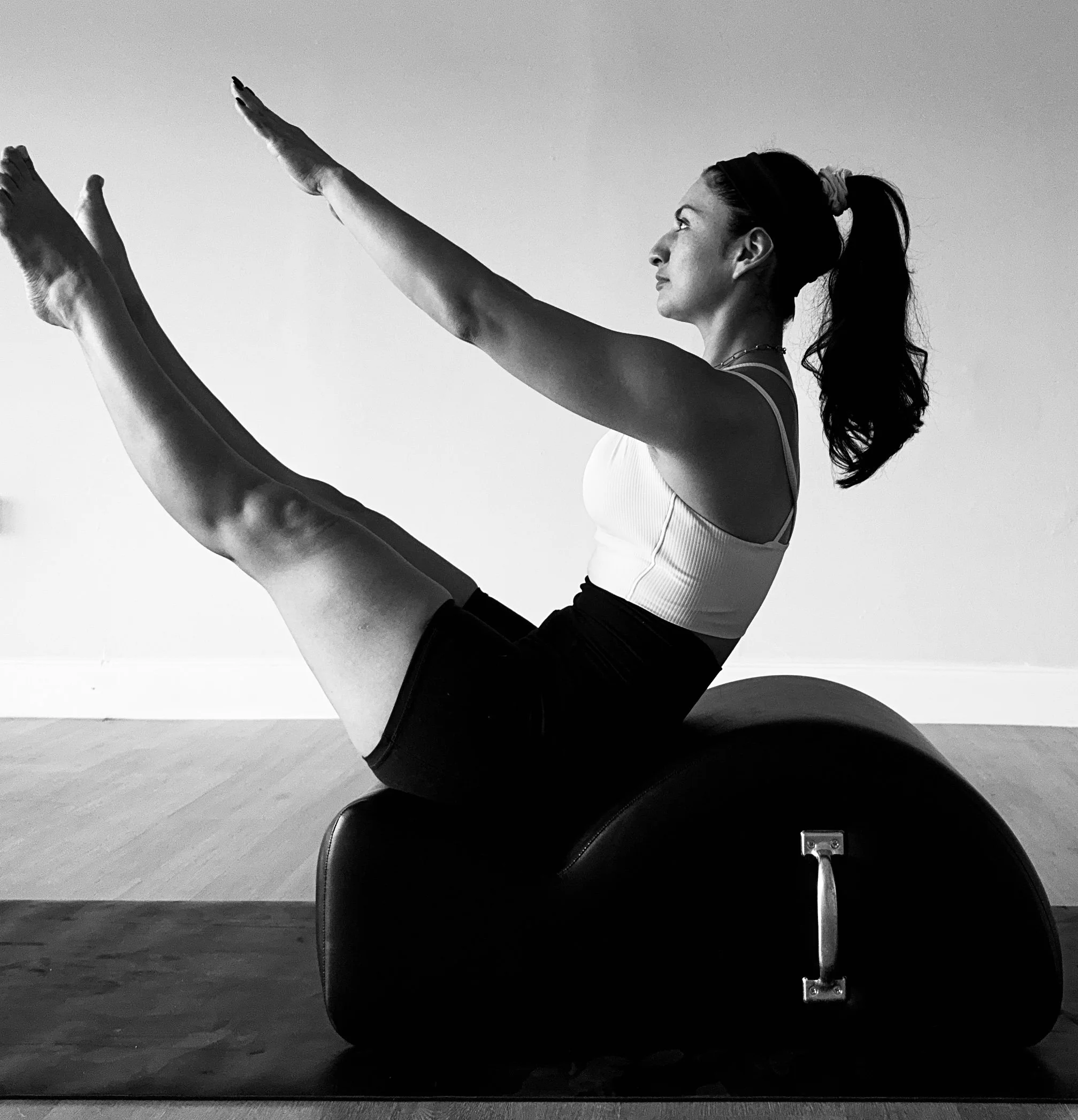
Contrology does not reward force or perfection. It demands presence. It asks for restraint when excess is tempting, and attention when the mind wants to rush ahead. In the work, control is not about holding on—it is about knowing when to soften. When to release effort and allow coordination to replace strain.
In anesthesia, control takes a different but parallel form. Physiology must be respected, not overridden. The body responds to precise inputs—oxygen, ventilation, medications—each requiring timing, dosage, and constant feedback. Too much is just as dangerous as too little. Stability comes not from dominance, but from balance.
This understanding reshaped how I move.
In Contrology, control begins at the center and extends outward. Movement is guided, not imposed. The body learns to organize itself rather than brace against itself. When control is present, the nervous system settles, breath deepens, and strength becomes sustainable rather than brittle.
This is where perfectionism begins to heal.
Pilates replaces the need to force with the ability to feel. It teaches trust in the system—both physiological and personal. That when the body is given clarity, it will respond intelligently.
Before flow, before power, before endurance—there is control.
Not control as constraint, but control as clarity.