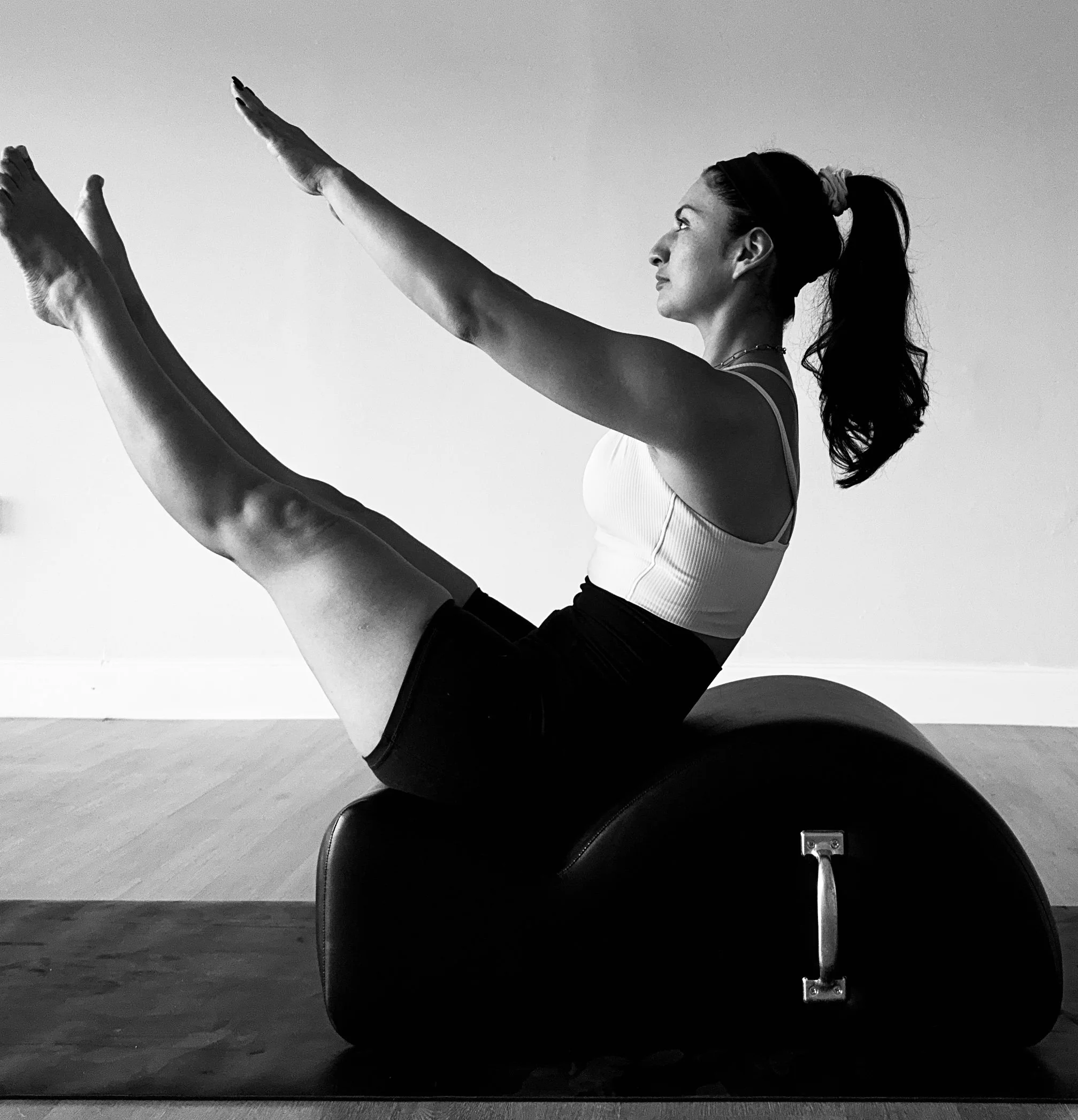
Flow
Flow is never accidental.
It is the visible result of organization beneath the surface—the continuity that appears only when the body is prepared to move as a whole. In dance, flow is unmistakable. The movement looks effortless not because it lacks work, but because the work has already been done. This is why so many dancers are drawn to Contrology. We recognize its intelligence immediately.
I felt it myself.
Pilates and dance share a similar goal: movement that is continuous, intentional, and alive. Where they diverge is in emphasis. Dance often prioritizes beauty and expression, sometimes at the expense of function. Contrology prioritizes function first—trusting that beauty will follow when the body is organized correctly.
Flow cannot be chased. It does not come from speed or improvisation. It emerges only when the foundation is complete.
Without a strong powerhouse, movement lacks origin. Without breath, it loses rhythm and continuity. Without control, momentum replaces intention. Without order, the body skips preparation and compensates instead.
Flow is the result—never the starting point.
Joseph Pilates designed the work so that flow would appear naturally. Each exercise builds upon the last, teaching the body to move as a connected system. When the structure is respected, transitions soften, effort becomes economical, and movement feels expressive rather than mechanical.
In dance, flow allows the body to express. In Contrology, it allows the body to function. When function is restored, expression becomes sustainable.
Flow is not added. It is earned.
And when it appears, it is unmistakable.